How To Help Reduce Back Acne: Causes & Body Care Tips
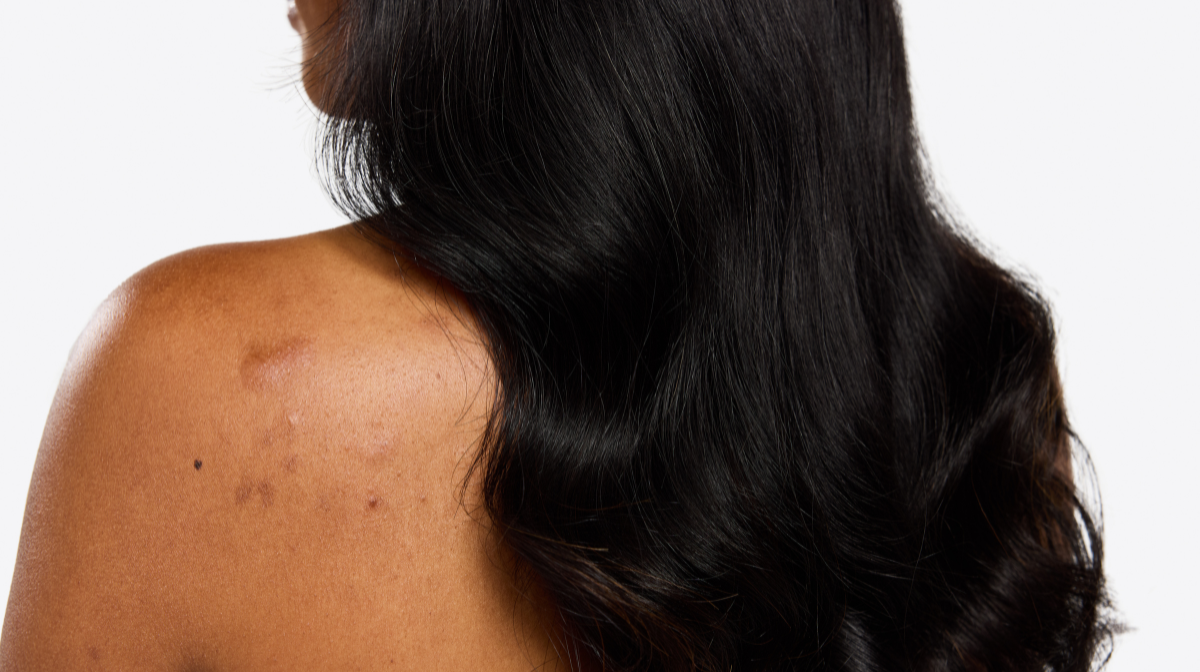
Breakouts on your back, often called bacne, can be uncomfortable, frustrating and tricky to manage. Unlike facial blemishes, back blemishes can be harder to see, harder to reach and more easily aggravated by sweat, clothing and friction.
The good news is that a consistent body care routine can help support clearer-looking, smoother-feeling skin. Here’s what causes bacne, how to care for back acne, and how AMELIORATE can help support blemish-prone skin on the body.
What Is Bacne?
Bacne is the common name for acne or blemish-prone skin that appears on the back. It may show up as blackheads, whiteheads, red-looking bumps, pustules or deeper, more tender blemishes. For some people, it appears across the shoulders and upper back; for others, it can affect a larger area of the back, chest or body.
Because the back has many oil-producing glands, it can be particularly prone to clogged pores, especially when sweat, sebum, dead skin cells and product residue build up on the skin.
What Causes Bacne?
Bacne is usually caused by a combination of factors rather than one single trigger.
Common bacne causes can include:
- Excess oil production, which can contribute to clogged pores
- Dead skin cell build-up on the body
- Sweat sitting on the skin after exercise or warm weather
- Friction from tight clothing, sportswear, backpacks or bedding
- Hormonal changes, particularly during puberty or other hormonal shifts
- Haircare products, body oils or heavy creams leaving residue on the back
A genetic tendency towards blemish-prone skin
Blemishes can also be influenced by Cutibacterium acnes, a naturally occurring microorganism on the skin. When pores become clogged with oil and dead skin cells, this can contribute to inflammation and visible breakouts.
Bacne Myths: What Doesn’t Cause Back Blemishes?
Bacne is not a sign that your skin is “dirty”, and it is not caused by poor hygiene. In fact, over-washing or scrubbing too harshly can leave blemish-prone skin feeling more irritated.
It is also too simplistic to blame bacne on chocolate, fried food or one lifestyle habit. Skin is more complex than that. A supportive routine should focus on gentle cleansing, regular exfoliation and reducing pore-clogging build-up without stripping the skin.
How To Help Reduce Bacne
Consistency is key when caring for bacne. Back blemishes can take time to improve, so a simple, regular body care routine is often more helpful than harsh scrubbing or switching products too often.
1. Cleanse After Sweating
Sweat itself does not “cause” bacne, but when it mixes with oil, bacteria and dead skin cells, it can contribute to clogged pores. Try to shower after exercise or hot, humid days, and change out of tight or sweaty clothing when you can.
Our Clarifying Body Wash is designed to cleanse blemish-prone body skin without leaving it feeling stripped, helping to remove daily impurities, excess oil and sweat.

Recommended Retail Price: £12.00Current price: £8.40
30% Off

Recommended Retail Price: £20.00Current price: £14.00
30% Off

Recommended Retail Price: £15.00Current price: £10.50
30% Off
2. Exfoliate Hard-To-Reach Areas
One of the most useful steps in a bacne care routine is gentle exfoliation. This helps lift away dead skin cells that can contribute to blocked pores and rough texture.
Clarifying Body Spray is ideal for hard-to-reach areas, with an easy spray format that makes applying product to the back much simpler. It helps skin feel clearer, smoother and refreshed as part of a consistent body care routine.
Recommended Retail Price: £20.00Current price: £14.00
30% Off
3. Moisturise Blemish-Prone Skin
It can be tempting to skip body lotion when skin feels oily or blemish-prone, but drying the skin out is not the answer. A lightweight moisturising step can help keep skin feeling comfortable and balanced.
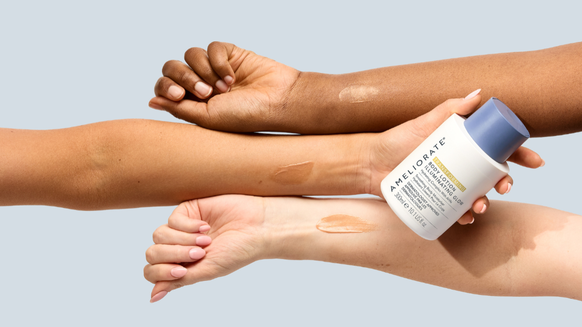
Clarifying Body Lotion helps hydrate and smooth the feel of skin while supporting a body care routine for areas prone to blemishes, roughness and uneven texture.

Recommended Retail Price: £24.00Current price: £16.80
30% Off
4. Use A Targeted Mask
For stubborn areas of congestion, our Clarifying Face and Body Mask can be used as a targeted skincare step for the face or body. It helps clarify the feel of skin and leaves blemish-prone areas feeling refreshed, refined and cared for.

Recommended Retail Price: £15.00Current price: £10.50
30% Off
5. Avoid Heavy Product Build-Up
Hair conditioner, styling creams and body oils can run down the back in the shower or sit on the skin during the day. If your bacne appears around the upper back and shoulders, try rinsing hair products thoroughly and cleansing your back as the final step in your shower.
6. Reduce Friction Where Possible
Tight activewear, heavy bags, synthetic fabrics and repeated rubbing can all aggravate blemish-prone skin. Choose breathable fabrics when possible, wash gymwear regularly and avoid staying in sweaty clothes longer than necessary.
7. Be Patient with Your Routine
Back blemishes rarely disappear overnight. Most routines need several weeks of consistent use before the skin looks clearer and calmer. If your bacne is painful, widespread, cystic or leaving marks, it may be worth speaking to a GP, pharmacist or dermatologist for tailored advice.
How To Help the Appearance of Bacne Scars
Post-blemish marks are often mistaken for bacne scars. These marks can look red, pink, purple or brown depending on your skin tone, and they may gradually fade over time.
To help reduce the look of post-blemish marks:
- Address active blemishes early and consistently
- Avoid picking, squeezing or scratching spots
- Use gentle exfoliation to support smoother-looking skin
- Keep skin moisturised to support the skin barrier
- Apply SPF to exposed areas, as UV exposure can make marks look darker
True acne scars, such as pitted or raised texture, may need professional treatments. A skincare routine can help improve the look and feel of the skin, but deeper scarring should be assessed by a qualified professional.
At What Age Does Bacne Go Away?
There is no set age when bacne goes away. Acne is often associated with puberty and teenage skin, but it can continue into adulthood or appear later due to hormonal changes, lifestyle factors, stress, sweat, friction or product build-up.
If your bacne has persisted for a long time, feels painful or is affecting your confidence, it is worth seeking professional guidance. You do not have to simply wait for it to “grow out”.
The Takeaway
Bacne is common, manageable and nothing to feel embarrassed about. By understanding the main bacne causes and building a consistent routine around cleansing, gentle exfoliation, moisturising and targeted care, you can help support clearer-looking, smoother-feeling skin on your back and body.