Ingredients Lab: Hyaluronic Acid

Hyaluronic acid is one of the most widely used ingredients in skincare, and its continued relevance is rooted in science rather than trend. While formulations and textures evolve, hyaluronic acid remains a key component in hydration-focused skincare thanks to its ability to support moisture levels and skin comfort.
Understanding how hyaluronic acid works and what it does for the skin can help inform smarter, more effective skincare choices.
What Is Hyaluronic Acid?
Hyaluronic acid is a substance found naturally within the body. Around 50% of the body’s total hyaluronic acid is present in the skin, where it plays an important role in maintaining hydration and supporting skin structure.
In skincare science, hyaluronic acid is classified as a humectant. This means it attracts and binds water within the upper layers of the skin. By helping the skin retain moisture, it supports hydration, comfort and flexibility, particularly when the skin barrier is under pressure from environmental or lifestyle factors.
What Does Hyaluronic Acid Do for the Skin?
Hyaluronic acid helps the skin attract and retain water at the surface. As a humectant, it draws moisture into the upper layers of the skin and supports the skin barrier’s ability to hold onto that hydration.
This helps skin feel:
More hydrated and comfortable Smoother and softer to the touch More flexible and resilient
Because it hydrates without adding oil or heaviness, hyaluronic acid is well-suited to a wide range of skin types and textures.
Hyaluronic Acid Benefits
Hyaluronic acid is particularly beneficial when skin feels dry, tight or lacking in comfort. By supporting hydration and barrier function, it helps improve how the skin looks and feels over time.
Key hyaluronic acid benefits include:
Supporting ongoing moisture retention Improving skin comfort and suppleness Helping skin appear plumper and smoother Supporting the skin barrier during periods of stress, seasonal change or dehydration
For these reasons, hyaluronic acid is commonly included in skincare routines designed to support dry or dehydrated skin, as well as skin that feels compromised or out of balance.
How Hydration Supports Skin Renewal
Hydration plays an important role in normal surface cell turnover. When the skin lacks moisture, the enzymes responsible for shedding dead skin cells can become less effective. This can lead to a build-up of cells on the skin’s surface, leaving it looking dull, rough or flaky.
By improving hydration in the upper layers of the skin, hyaluronic acid helps support the skin’s natural renewal processes, contributing to skin that feels smoother, softer and more balanced over time.
Using Hyaluronic Acid with Other Skincare Ingredients
Hyaluronic acid is highly compatible with many commonly used skincare ingredients.
It is often used alongside:
Niacinamide , to support hydration and skin barrier functionCollagen-supporting ingredients , as hydration helps skin appear firmer and more suppleAscorbic acid , where hyaluronic acid helps support hydration alongside antioxidant care
In a routine, hyaluronic acid is typically applied after cleansing and before richer creams, following the general rule of layering products from lighter to heavier textures.
How to Use Hyaluronic Acid in Your Routine
Hyaluronic acid can be used once or twice daily, depending on your routine and skin needs.
For best results:
Apply to clean skin, ideally when skin is slightly damp Follow with a moisturiser to help seal in hydration – unless your moisturiser already contains hyaluronic acid, such as Transforming Facial Cream with its LaH6 Skin Hydration Complex, in which case an additional layer isn’t necessary Use consistently as part of your daily skincare routine
Hyaluronic acid can be used on the face, including around the eyes, and is suitable for everyday use.
Hyaluronic Acid in AMELIORATE Skincare
Hyaluronic acid features across select AMELIORATE formulas as part of the brand’s hydration-focused approach to skincare, which prioritises skin comfort and barrier support.
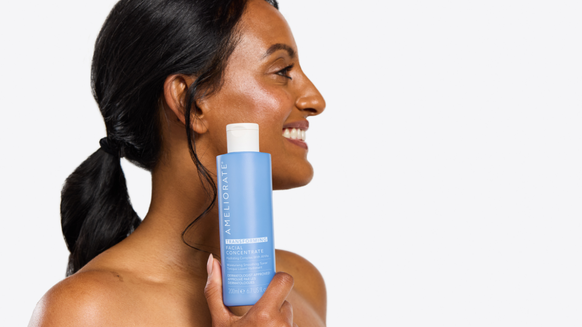
One example is

£20.00
In independent trials*, users reported improvements in both hydration and skin balance:
97% agreed skin looked less oily 97% agreed skin felt deeply moisturised 96% agreed the product helped limit breakouts 95% agreed the product left skin feeling hydrated
Clarifying Body Spray is accredited by the British Skin Foundation and is Menopause-Friendly (M-Tick approved), making it suitable for skin that feels imbalanced or prone to breakouts, including during periods of hormonal change.
*Independently tested on a panel of 111 men and women over 6 weeks.
The Takeaway
So, what does hyaluronic acid do for your skin? At its core, it supports hydration, comfort and skin resilience. Its ability to attract and retain moisture makes it a valuable ingredient across a wide range of skincare products and routines.
Hyaluronic acid is not a passing trend. It is a proven, well-established ingredient that continues to play an essential role in effective, hydration-focused skincare.

Sabih is a Cosmetic Scientist and self-proclaimed skincare junkie with two years’ experience in the beauty industry. She has a Master of Science degree in Cosmetic Science, and has experience in product formulation and regulatory affairs. She strives to bridge the gap between ingredients and the skin, to help people truly understand the science behind their products. She loves fashion, coffee and trying new innovative products on the market.